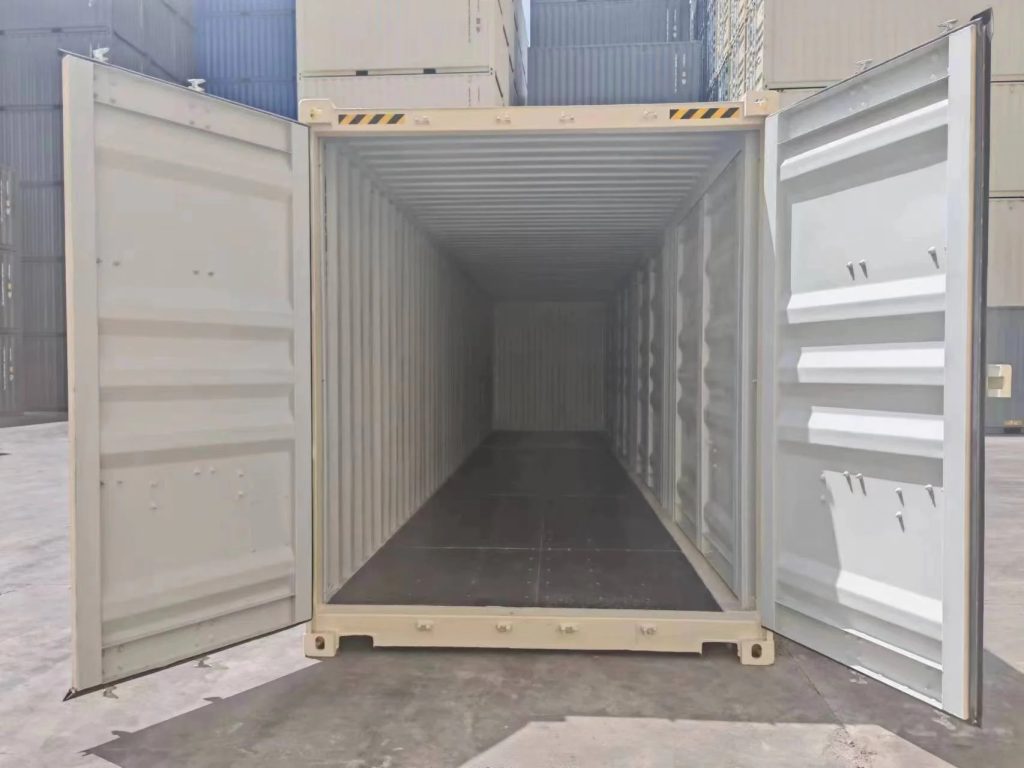
Five Things Everybody Gets Wrong Regarding 20ft Shipping Container


Everything You Need to Know About 20ft Shipping Containers
Shipping containers have actually ended up being a significant element of modern logistics, and the 20ft shipping container is one of the most popular sizes in the industry. Whether you are thinking about buying one for storage, shipping, or even transforming it into a distinct living area, understanding the specs, advantages, and usages of a 20ft shipping container can assist direct your choice.
Comprehending the Dimensions and Specifications
Standard Dimensions
| Specification | Measurement |
|---|---|
| Outside Length | 20 ft (6.06 m) |
| Outside Width | 8 ft (2.44 m) |
| Outside Height | 8.5 ft (2.59 m) |
| Inside Length | 19.4 ft (5.9 m) |
| Inside Width | 7.7 ft (2.35 m) |
| Inside Height | 7.9 ft (2.39 m) |
| Tare Weight | 2,200 kg (4,850 pounds) |
| Payload Capacity | 28,000 kg (61,729 pounds) |
| Maximum Gross Weight | 30,480 kg (67,200 pounds) |
Container Types
While the basic 20ft container is typically utilized, various types are likewise readily available, each fit to particular requirements.
- Standard Dry Container: The fundamental design, utilized mostly for basic cargo storage.
- High Cube Container: An additional foot taller than basic containers, permitting additional filling area.
- Refrigerated Container (Reefer): Designed for temperature-sensitive products.
- Open Top Container: Used for large-scale cargo that can not fit through the doors.
- Flat Rack Container: Ideal for heavy loads and equipment, offering a flat surface.
Benefits of a 20ft Shipping Container
- Versatility: 20ft shipping containers have numerous applications, from shipping items to on-site storage and even recreational housing.
- Economical: Smaller than 40ft containers, they typically come at a lower price, making them more accessible for small companies and people.
- Easier Transportation: Their size enables easier handling, transport, and positioning without the need for specialized equipment.
- Durability: Constructed from robust steel, shipping containers are created to stand up to severe shipping conditions, making them long-lasting and trustworthy.
- Modularity: Can easily be stacked or connected to produce bigger structures or configurations, appropriate for temporary offices or storage lawns.
Typical Uses
- Storage Facilities: A popular choice among services for safe, weather-proof storage of tools and materials.
- Pop-up Shops and Cafés: Entrepreneurs have artistically used containers to set up short-term retail spaces.
- Homes and Cabins: The pattern of container homes has actually led lots of to convert 20ft containers into compact livable spaces.
- Getaway Rentals: Unique stays have emerged through shipping container conversions.
Factors to consider Before Purchase
| Factors | Considerations |
|---|---|
| Condition | New, used, or reconditioned; examine for rust or damage. |
| Transportation | Understand transportation costs and logistics. |
| Allows | Examine regional zoning laws for shipping container usage. |
| Insulation | Think about insulation for temperature-sensitive applications. |
| Versatility | Choices for customizing the container for specific needs. |
Frequently Asked Questions (FAQ)
1. How much does a 20ft shipping container expense?
The average price for a 20ft shipping container ranges from ₤ 1,500 to ₤ 3,500, depending on its condition and modifications. New containers cost more, while used and reconditioned choices can be more affordable.
2. Can you reside in a shipping container?
Yes, lots of people live in transformed shipping containers. They can be insulated and created to meet living standards; nevertheless, guarantee compliance with local structure codes.
3. Are shipping containers water resistant?
Shipping containers are designed to be weather resistant, but gradually, seals might deteriorate, so regular upkeep is suggested.
4. How do I move a shipping container?
Moving containers requires customized devices, such as a flatbed truck or a container dolly. It is suggested to hire professionals for safe transportation.
5. Does 20ft One Trip Container shipping container need a foundation?
While not constantly needed, placing a container on a level structure can assist avoid settling and improve stability.
6. What is the lifespan of a shipping container?
With proper upkeep, a shipping container can last 25 years or more. Various aspects, such as use and environmental conditions, will impact its lifespan.
A 20ft shipping container can be a versatile asset appropriate for many applications, from storage solutions to ingenious home. Its size, durability, and cost-effective nature make it attracting both businesses and specific consumers. By comprehending the requirements, benefits, and practical applications, potential purchasers can make informed choices that best fit their requirements. As the world moves towards more sustainable and efficient solutions, shipping containers will likely remain a prominent part of contemporary living and logistics.